






Wood — Shape Your Underwater World
Great aquascapes don't just grow, they're built. And nothing defines the structure, character, and soul of an aquascape quite like the right piece of wood.
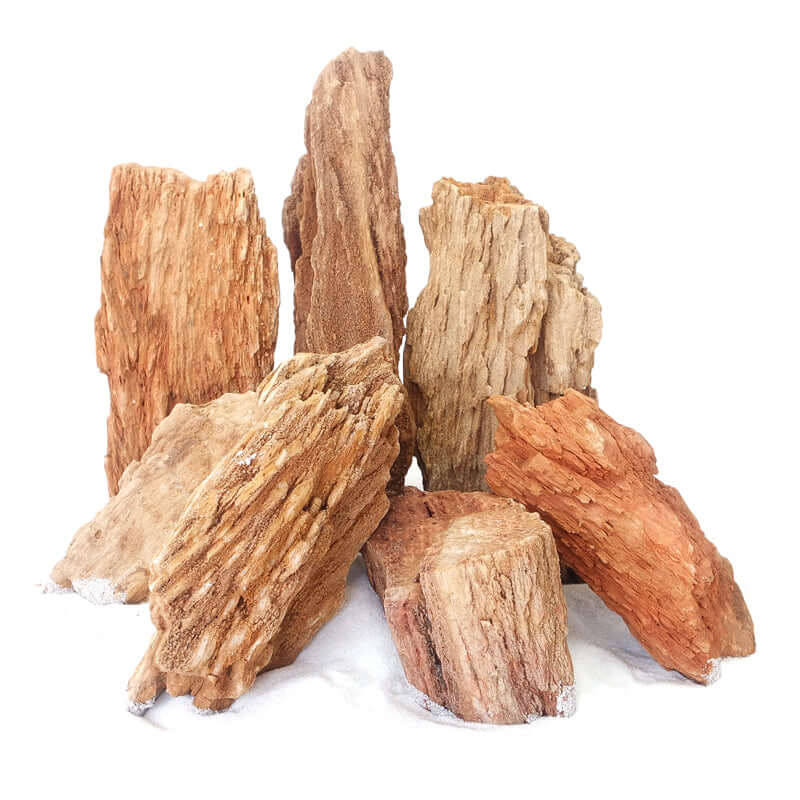
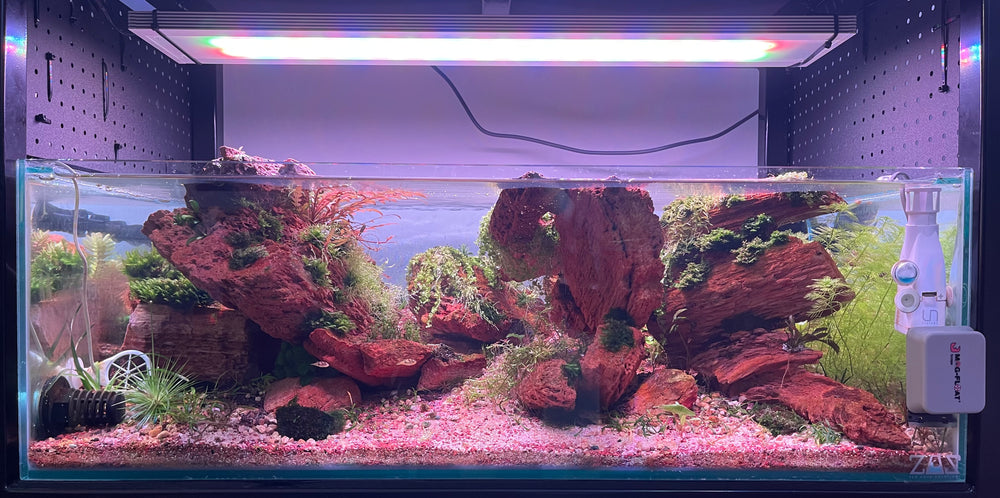
At School of Scape, our Wood collection brings together a hand-picked range of premium aquascaping driftwood to suit every tank size, layout style, and creative vision. Whether you're sculpting a dramatic ancient forest, a sprawling natural riverscape, or a minimalist Iwagumi-inspired design, the right wood is your foundation.
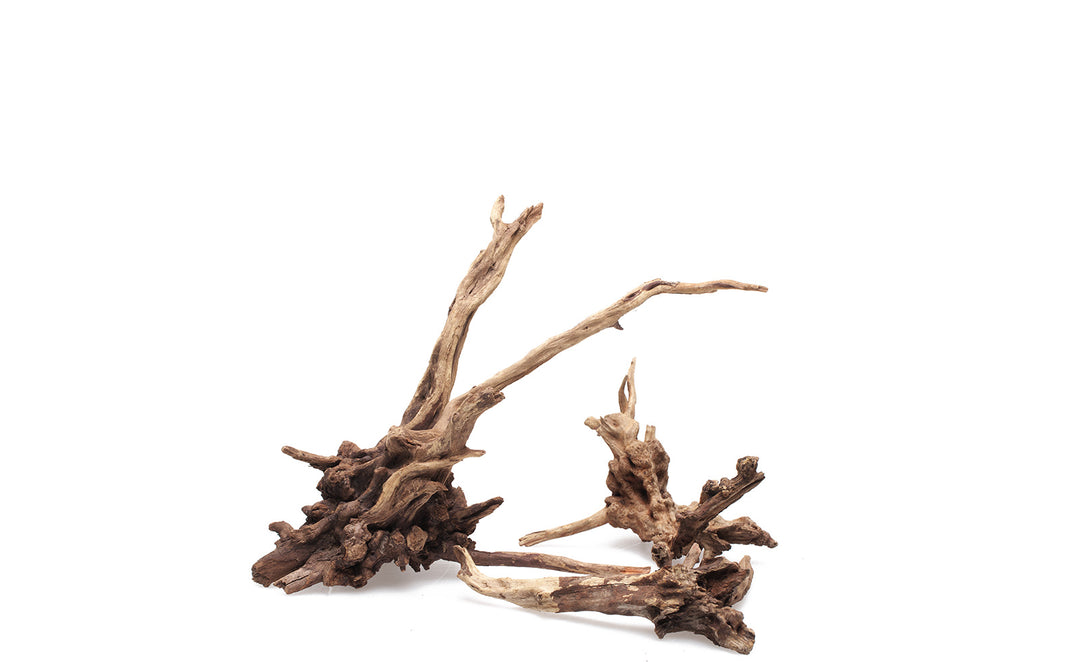
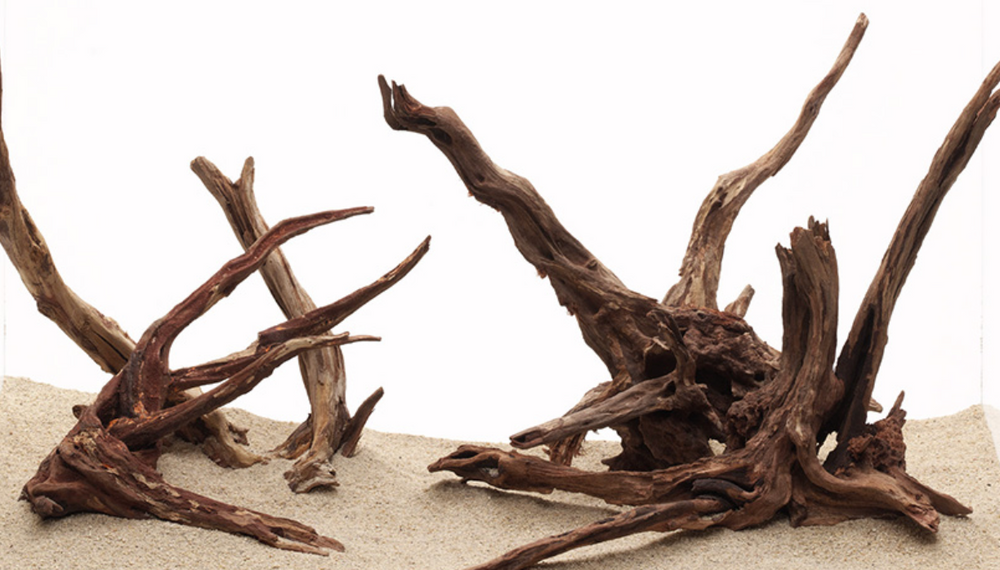
Choose from a diverse selection of unique varieties including the dense, striking Dark Iron Wood, the organic tangle of Spiderwood (Wood Root), the feather-light Honeycomb Wood, the elegant Slim Wood, the bold Blackforest Root, the character-rich Azalea Wood, the natural Hollow Tree Stump, and more. Each piece brings its own texture, shape, and personality to the aquascape.
Beyond aesthetics, driftwood serves a practical purpose too, providing natural shelter for fish and invertebrates, gradually softening water, and creating the kind of lived-in, organic feel that no artificial decoration can replicate.
Every piece in our collection is aquarium-safe, naturally sourced, and ready to become the centrepiece of your next build.
FAQs
No, not all wood can be used in an aquarium as many types contain resins, tannins, or toxic compounds that can leach harmful chemicals into the water and endanger fish. Only aquarium-safe woods that have been properly dried, cured, and prepared should be used in a fish tank - untreated, freshly cut, or chemically treated woods should always be avoided to protect your aquatic livestock.
In Australia, commonly used and fish-safe aquarium woods include Mopani wood, Malaysian driftwood, Cholla wood, and locally sourced Mangrove root wood. Australian aquarists should avoid using native eucalyptus, pine, or cedar wood as they contain natural oils and resins that are highly toxic to fish - always purchase wood from a reputable aquarium store to ensure it is properly cured and safe for aquatic use.
Yes, wood lowers pH in an aquarium by releasing tannins and humic acids into the water, which gradually acidify the tank and create a softer, more blackwater environment. This is beneficial for pH-sensitive fish such as Discus, Bettas, and South American tetras, but may require monitoring in community tanks - regular water testing and partial water changes can help maintain a stable and healthy pH level.
The best woods for aquariums include Driftwood, Mopani wood, Malaysian driftwood, Spider wood, and Cholla wood, as they are dense, fish-safe, and release beneficial tannins that mimic natural river environments. Malaysian driftwood and Spider wood are particularly popular among aquascapers for their unique branching shapes and durability, while Cholla wood is widely used in shrimp tanks as it provides both shelter and a natural biofilm food source.
No, you should not put regular or untreated wood directly into your aquarium as it may contain pesticides, mold, bacteria, or toxic resins that can rapidly deteriorate water quality and harm fish. If you wish to use natural wood, it must be thoroughly cleaned, boiled for at least 1-2 hours to sterilize it and remove harmful compounds, then soaked for several days until it sinks and stops excessively releasing tannins before it is safe to place in a fish tank.