







Premium Aquarium Substrate in Australia
A thriving aquascape starts from the ground up. Our substrate range is hand-picked for Australian aquarists who want healthier plants, happier fish, and clear water. Whether you're starting your first nano tank or building a high-tech planted display, the right foundation is here.
Why the Right Aquarium Substrate Matters
Substrate does more than look good. It anchors your plants, fuels root growth, shapes water chemistry, and sets the long-term health of the whole tank. Choose poorly and you fight algae, cloudy water, and dying plants for months. Choose well and the tank practically runs itself.
Shop Aquarium Substrate by Type
- Aquarium soil: nutrient-rich active soil for planted tanks. Scaper's Soil comes in normal, extra fine and brown, in 5L and 10L bags.
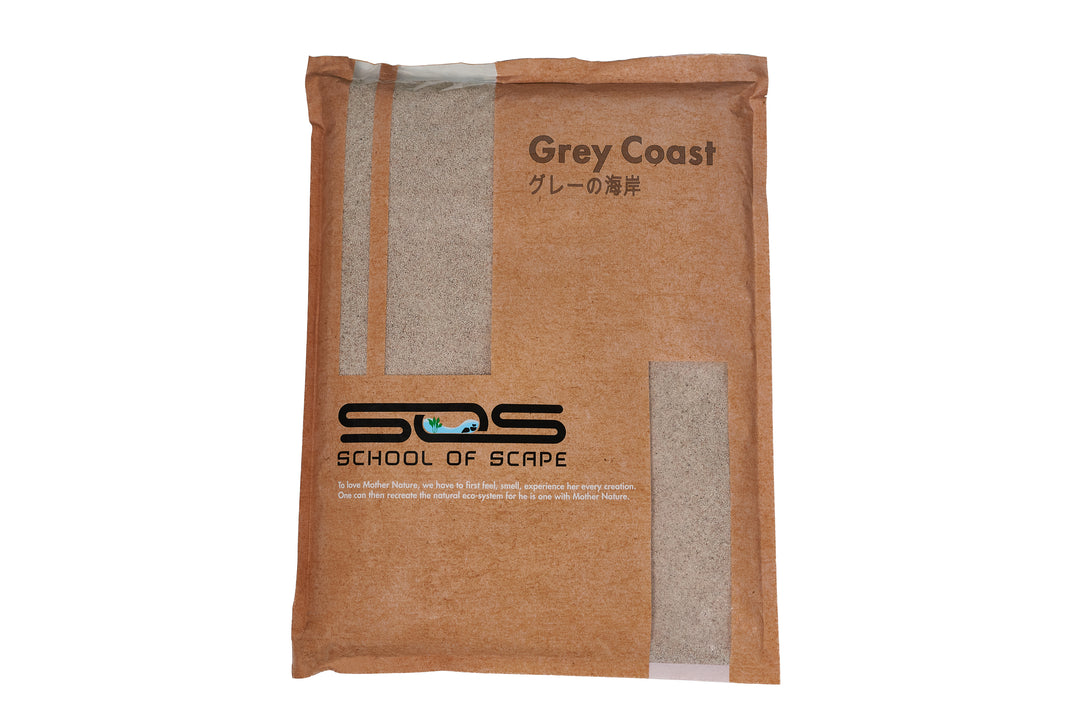
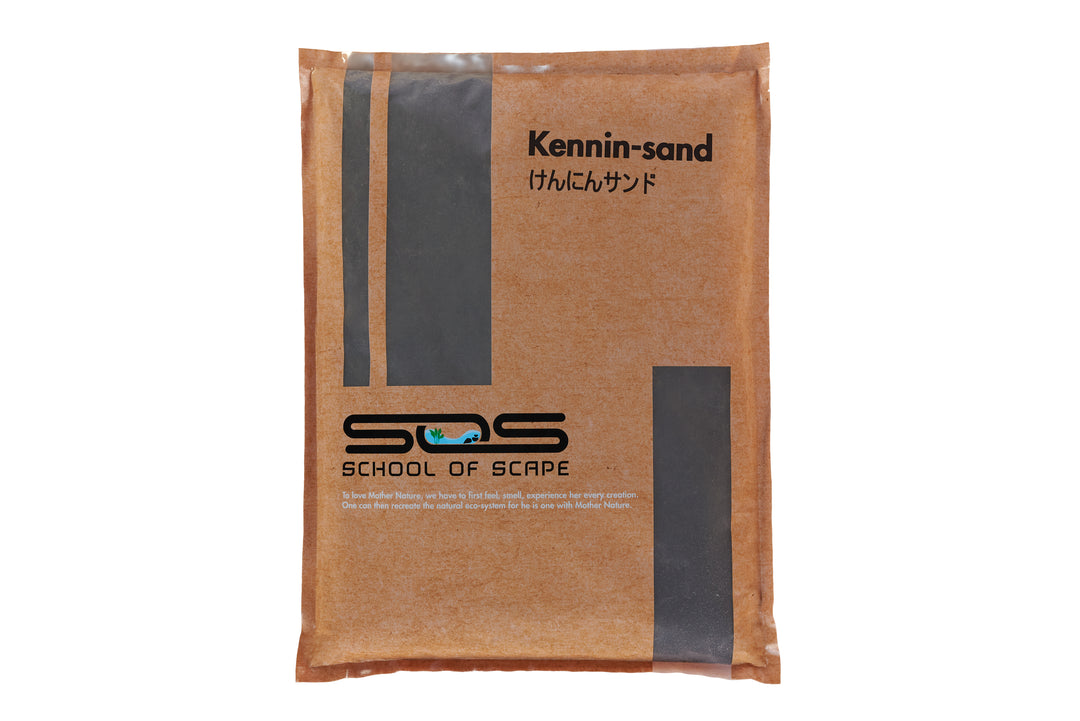
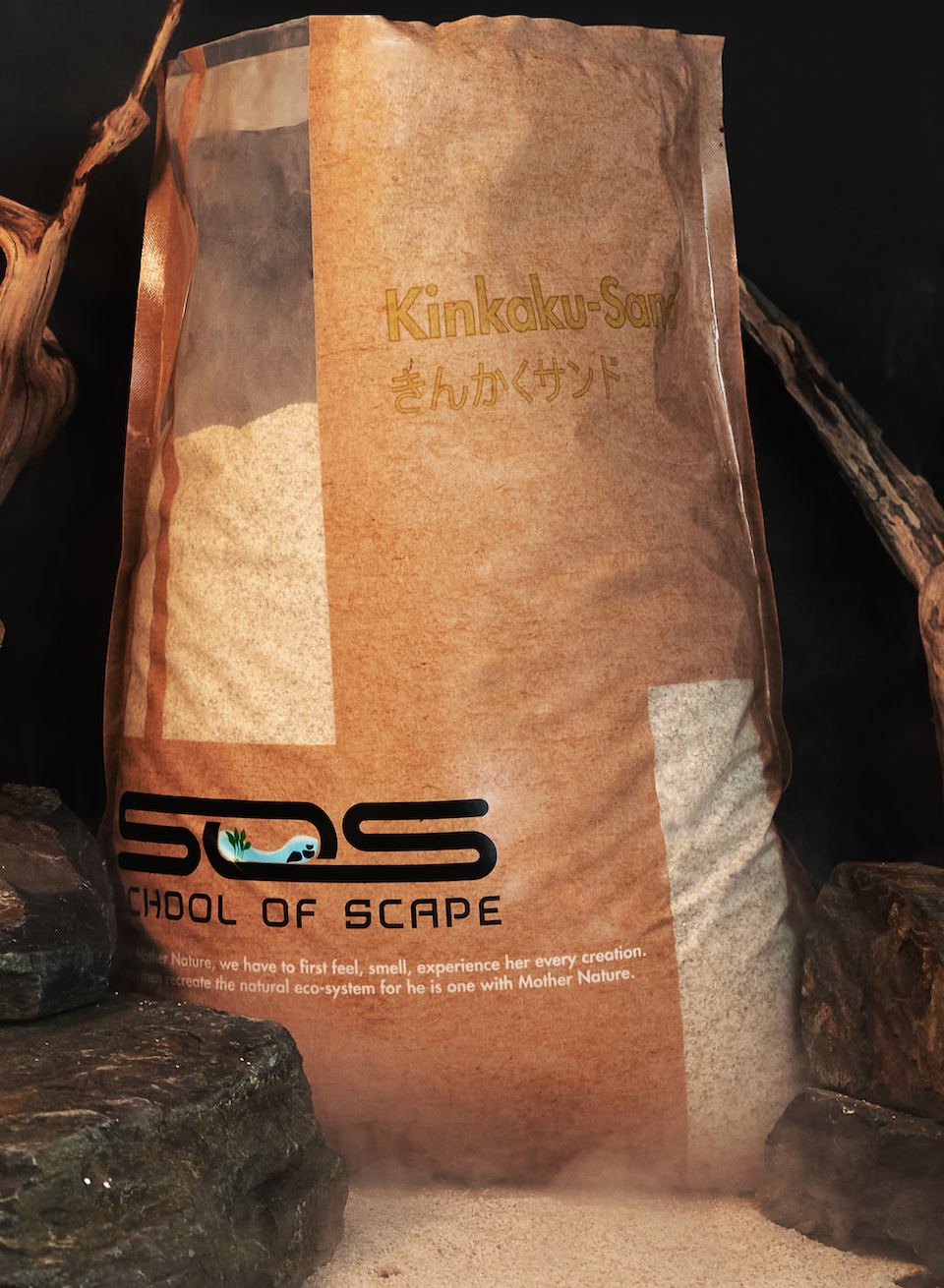
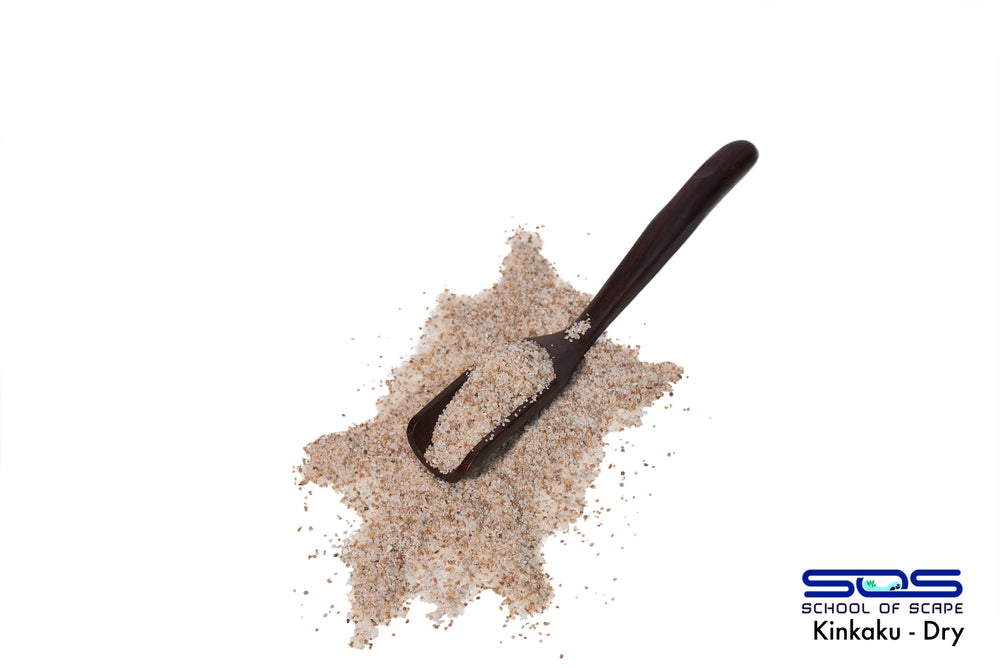
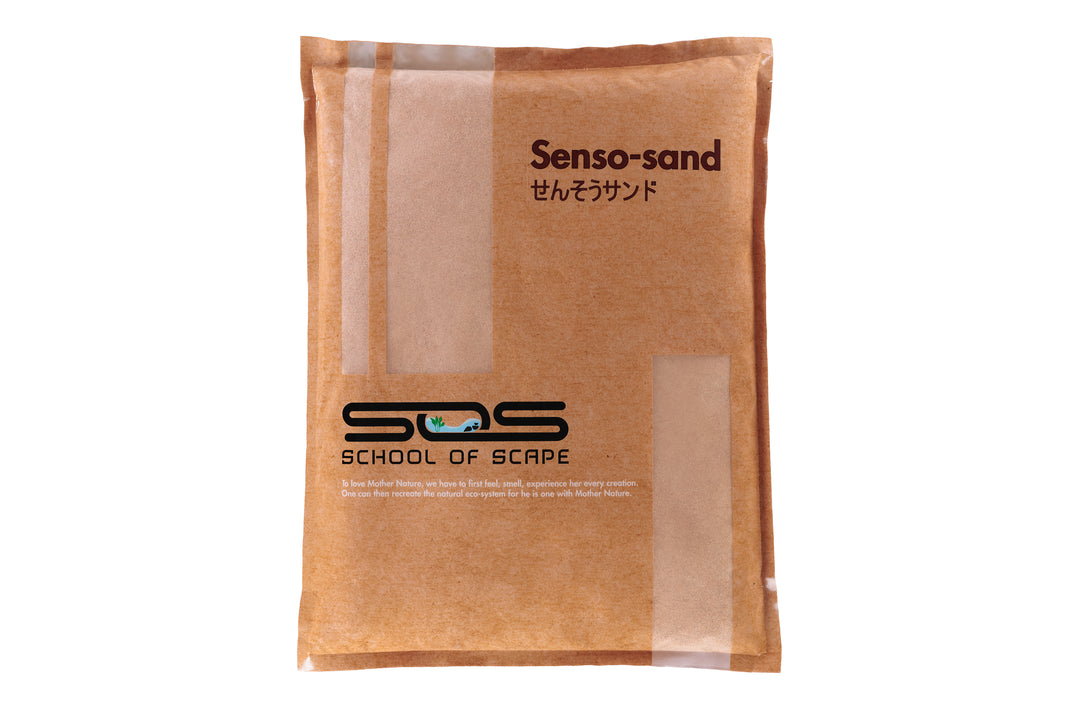
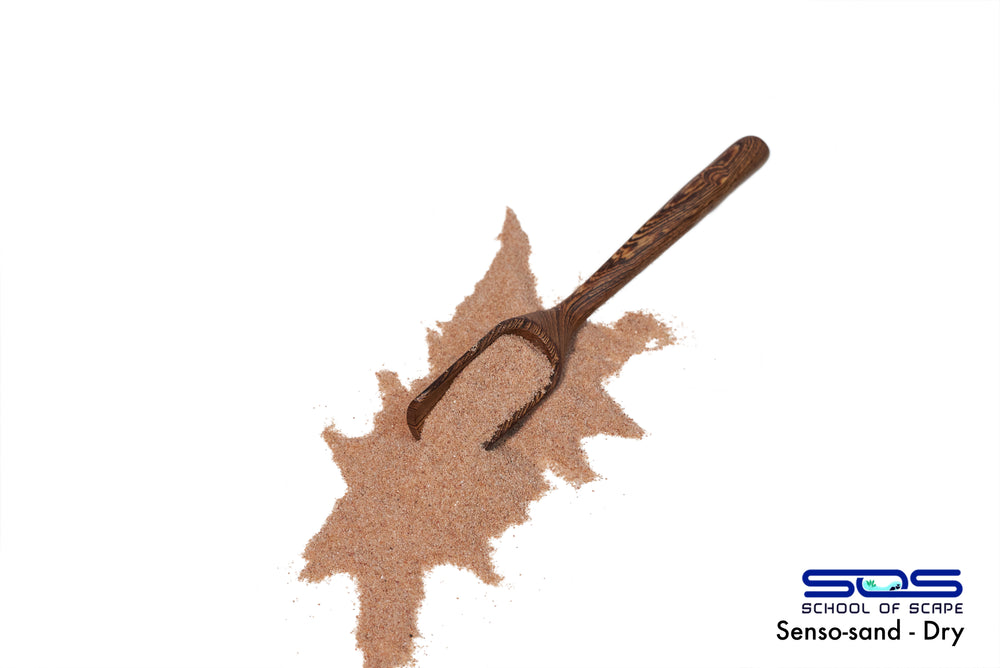
- Decorative sands: Kinkaku, Sugar White, Uluru, Grey Coast, Kennin, Tanami Gold, T'Challa and Senso. Inert, aquarium safe, and available in 5kg and 10kg bags.
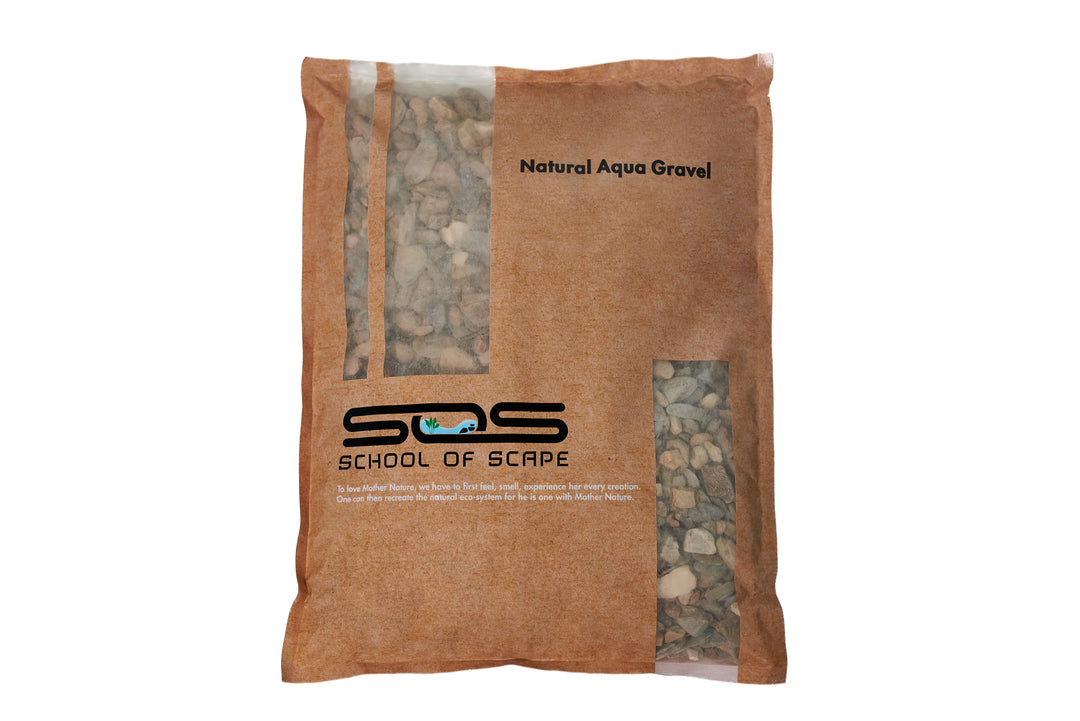
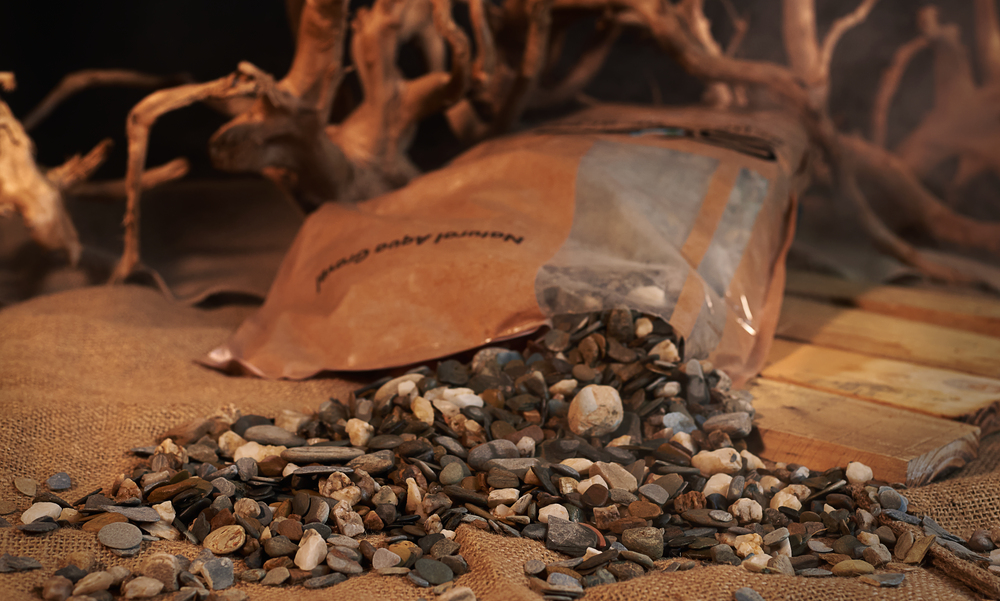
- Natural gravels: Aqua Gravel, Murray Gravel and Kakadu Gravel for riverbed and biotope layouts.
- Value Sand: natural sand sold by the kilo, ideal for large builds and terrarium projects.
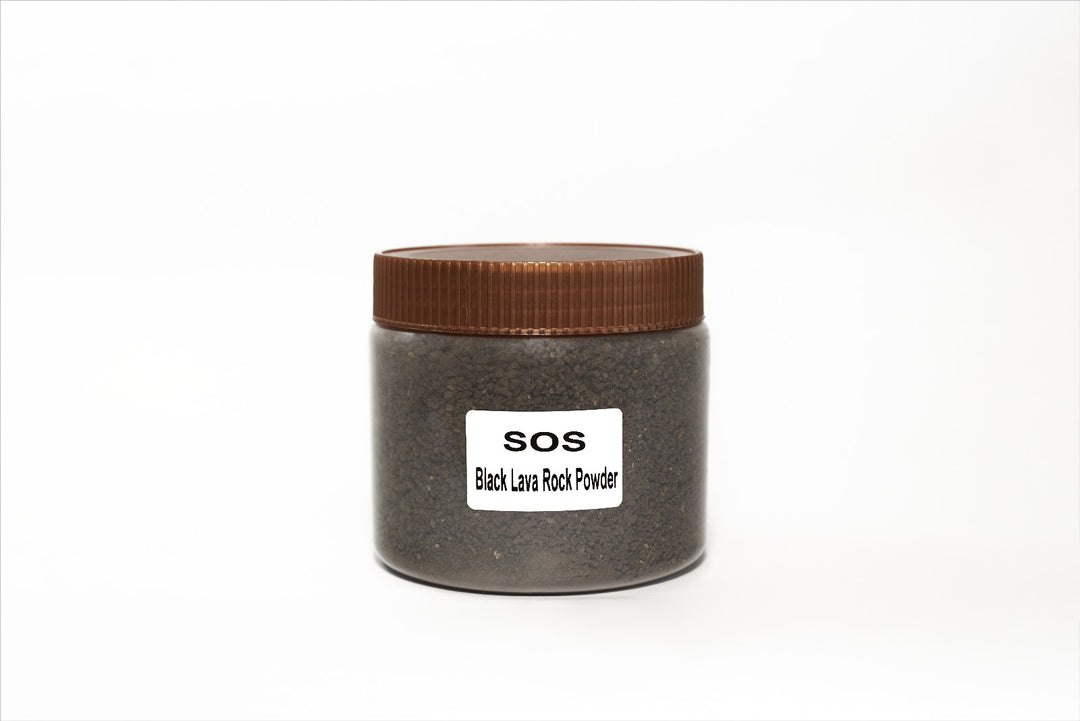
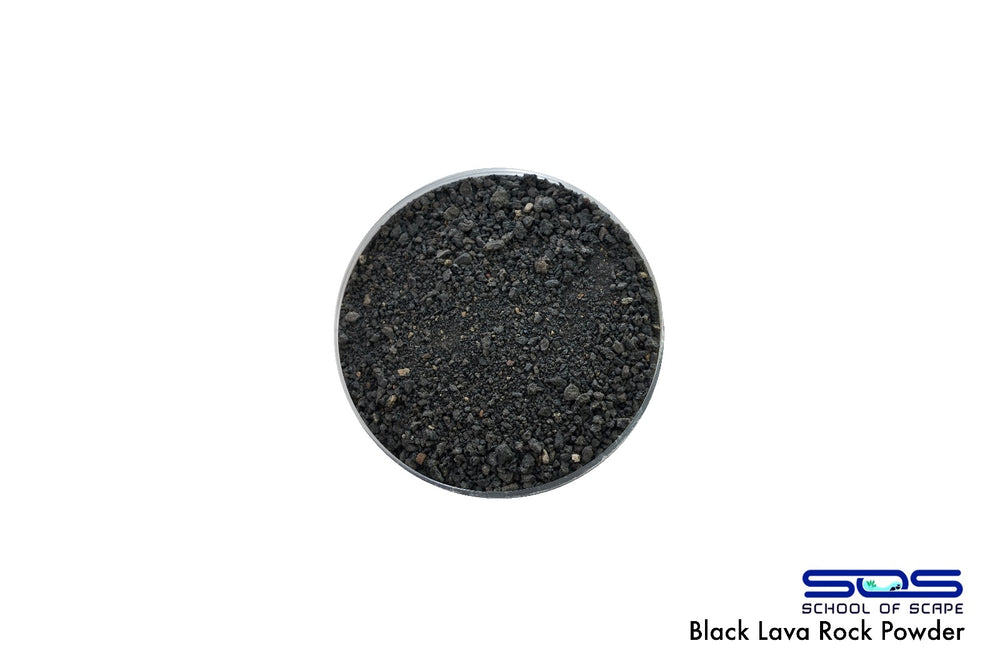
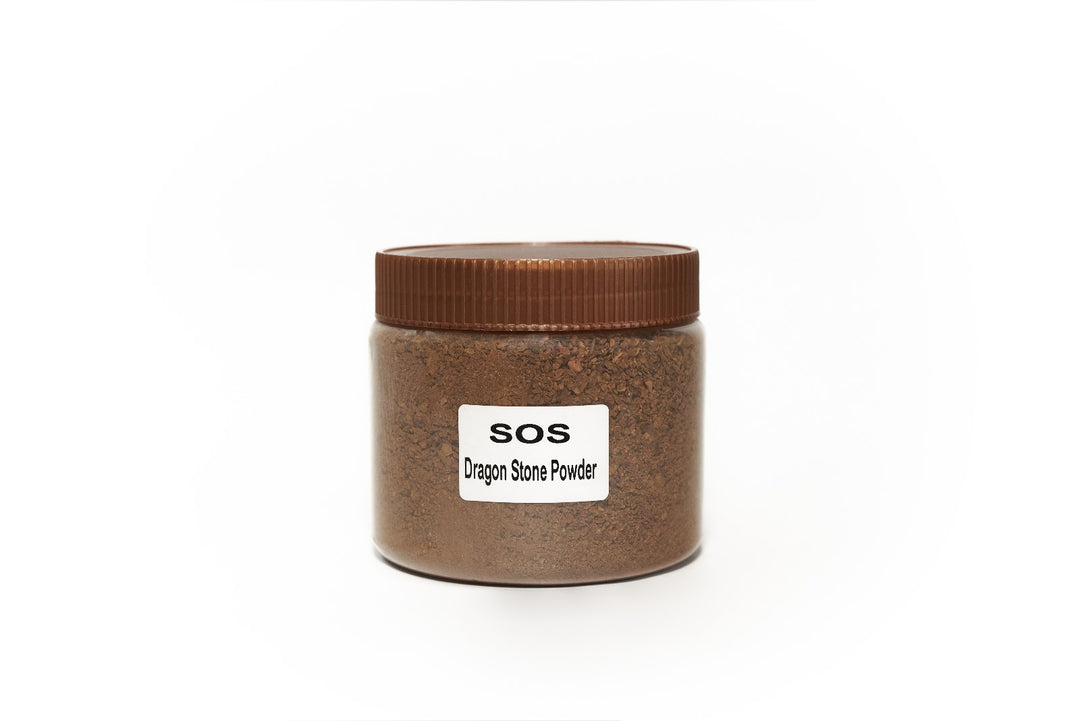
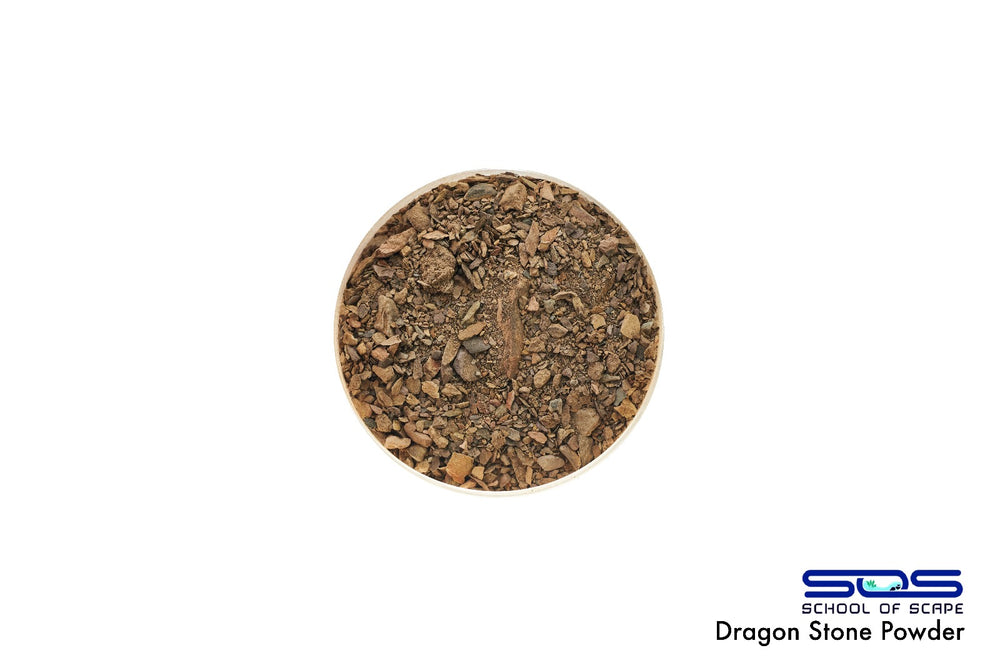
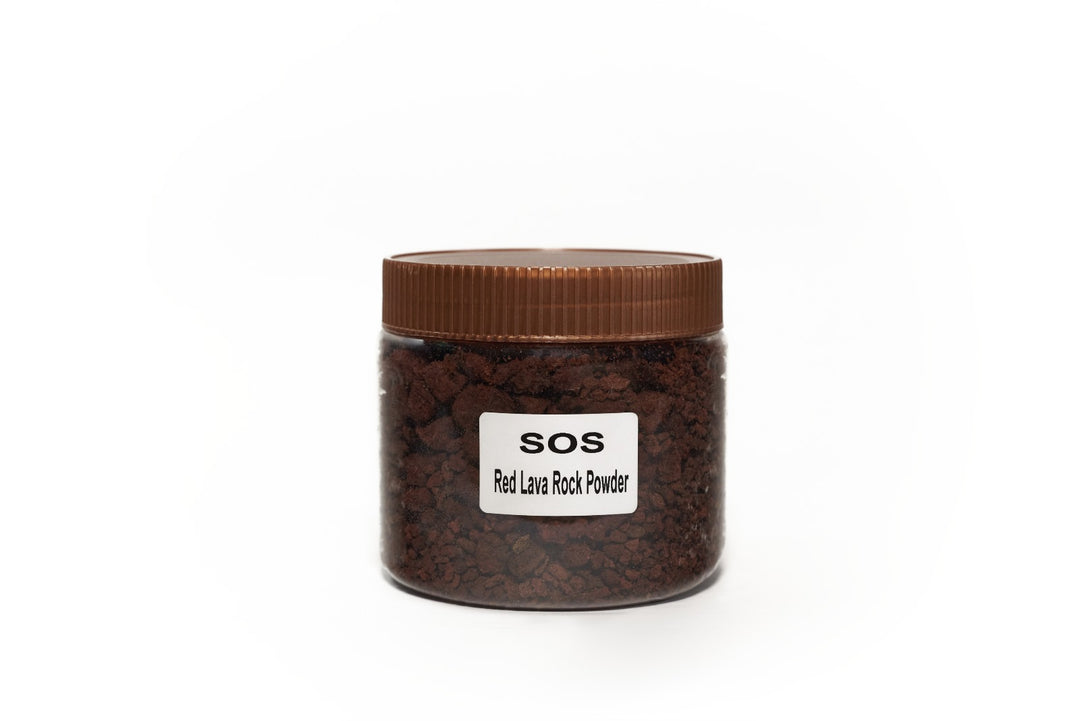
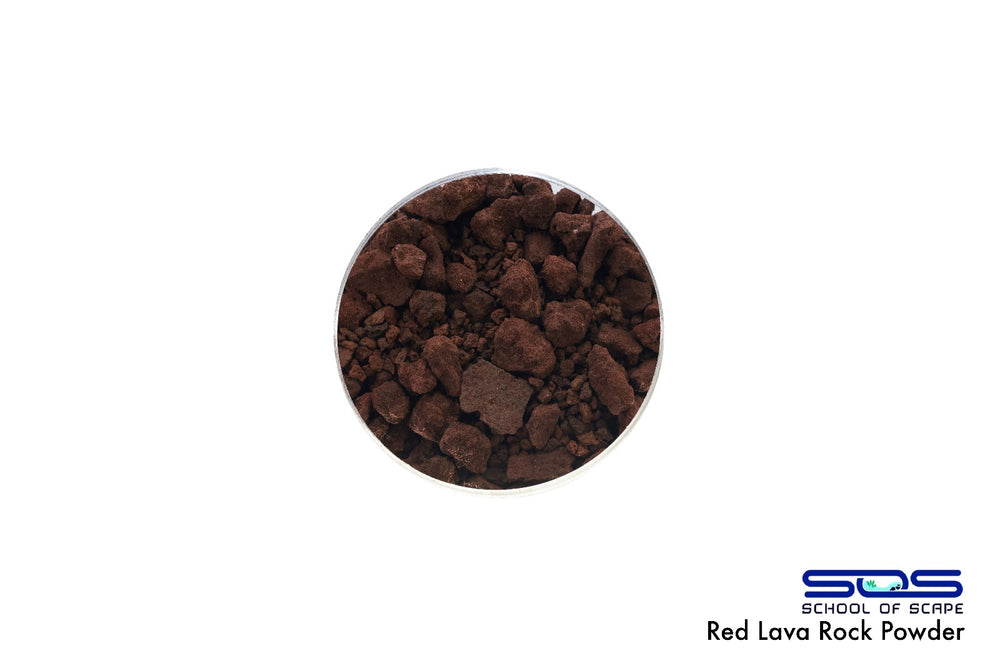
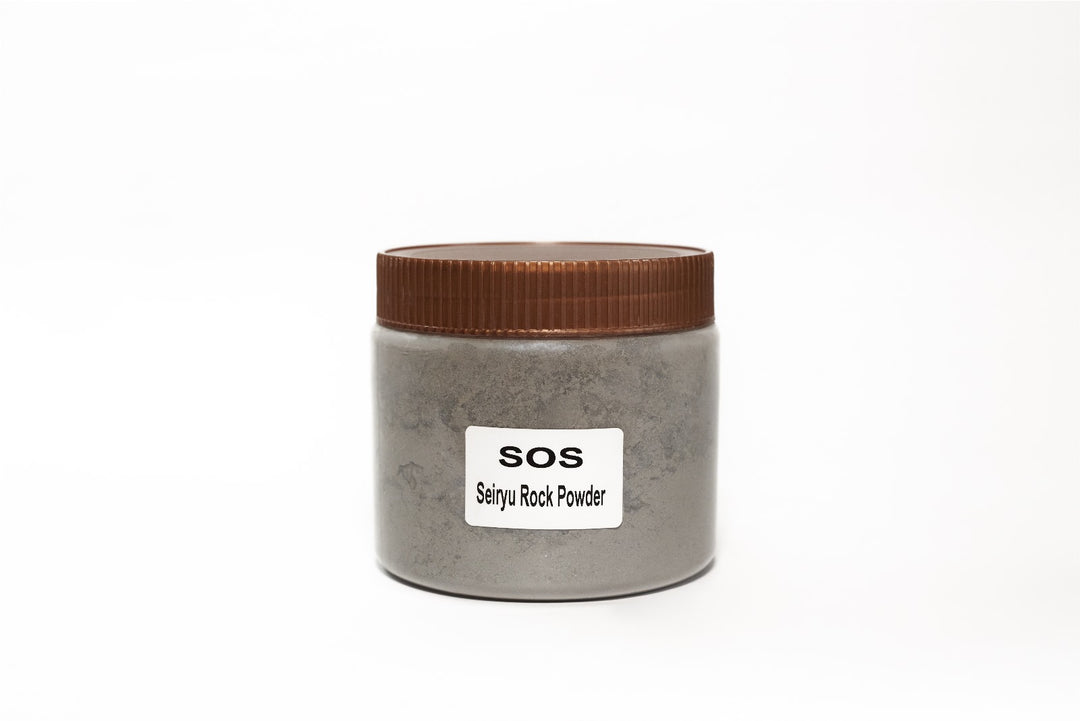
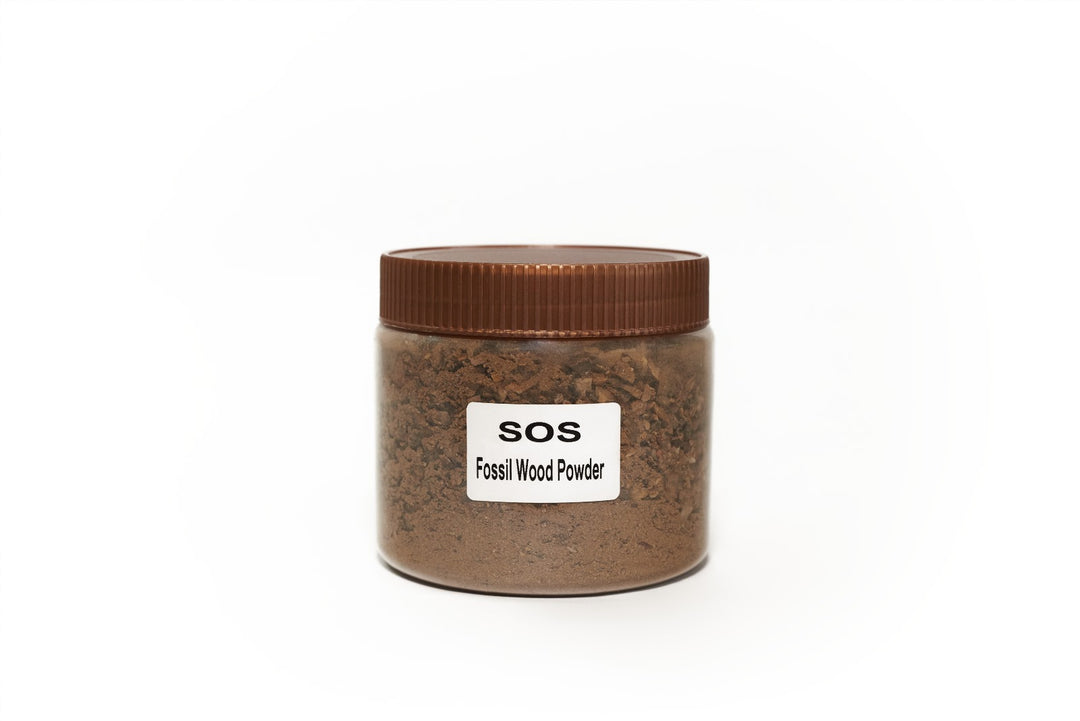
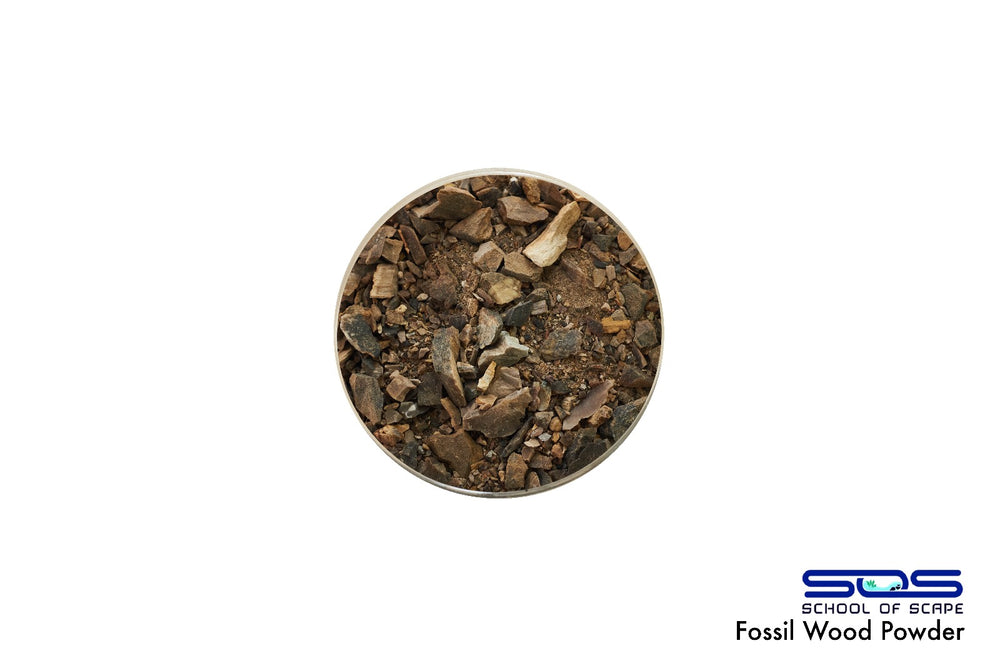
- Rock powder: crushed from the same stone as our hardscape, for blending rock into substrate. A finishing touch, not a fertiliser.
Why Australian Aquascapers Choose School of Scape
- Trusted Australian aquascaping store, based in Perth
- Fast shipping Australia-wide
- Honest advice from real aquarists
Build a Better Aquascape Today
Browse the full substrate collection and lay the foundation your aquascape deserves. Not sure which substrate fits your tank? Contact our team and we will guide you to the right pick.
FAQs
Yes, many aquarium plants can grow without substrate as they are rhizome or water column feeders that absorb nutrients directly through their leaves and roots from the water. Popular substrate-free plants include Java Fern, Anubias, Java Moss, and Hornwort, which can be tied to driftwood or rocks - however, root-feeding plants like Amazon Swords and Cryptocorynes will require a nutrient-rich substrate for healthy and sustained growth.
Yes, you can change the substrate in your aquarium, but it should be done carefully to avoid disturbing the tank's biological balance and stressing your fish. The safest approach is to change substrate gradually in sections over several weeks, perform a large water change afterward, and closely monitor ammonia and nitrite levels as replacing substrate can disrupt beneficial bacteria colonies that are essential for a healthy nitrogen cycle.
Aquarium substrate such as gravel and sand can last indefinitely with proper maintenance, while nutrient-rich planted substrates like aquasoil typically deplete their nutrients within 12-18 months and may need replacing or supplementing with root tabs. Regular vacuuming during water changes helps extend substrate life by removing waste buildup, preventing anaerobic pockets, and maintaining a clean and healthy tank environment for both fish and plants.
The general rule for aquarium substrate is to use enough to create a depth of 2-3 inches (5-7 cm) across the tank floor, which provides adequate root space for plants and a stable base for decorations. For a planted aquarium, a depth of 3-4 inches is recommended to support root development, while fish-only tanks can use a shallower 1-2 inch layer - as a rough guide, plan for approximately 1 pound of substrate per gallon of tank water.
The best substrate for a fish tank depends on the setup - for planted tanks, nutrient-rich aquasoils like ADA Amazonia or Fluval Stratum are highly recommended as they promote healthy plant growth and maintain a slightly acidic pH. For fish-only tanks, natural gravel or pool filter sand are excellent choices as they are easy to clean, pH neutral, and widely available, while fine sand is particularly ideal for bottom-dwelling fish like Corydoras and Loaches that naturally sift through substrate.